
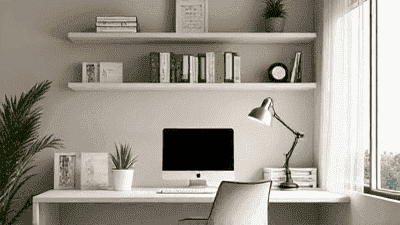
In recent years, the trend of remote working has surged, prompting more individuals to create dedicated workspace areas within their homes. Designing a functional office is essential for enhancing productivity, maintaining focus, and creating a comfortable environment conducive to work. By understanding the key elements of home workspace design, individuals can craft an office that meets their needs and reflects their personal style.
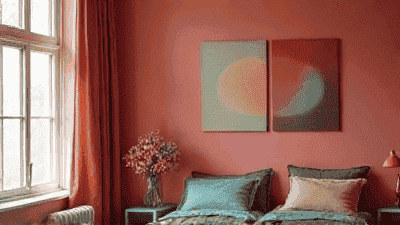
Color is one of the most powerful tools in interior design. It not only affects the aesthetic appeal of a room but also plays a significant role in influencing our emotions and overall mood. Understanding the principles of color psychology can help you choose the right hues for your living spaces, ultimately creating an environment that promotes positivity, relaxation, and productivity.
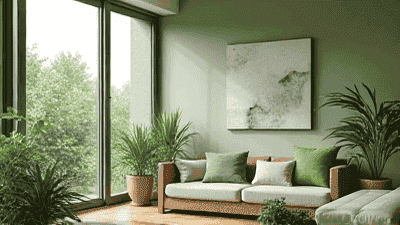
In recent years, the importance of sustainability has become increasingly evident in all aspects of life, including interior design. As global awareness of environmental issues grows, more designers, architects, and homeowners are seeking ways to implement green practices in their projects. The concept of green environmental protection in interior design emphasizes the use of sustainable materials and energy-saving measures to create environmentally friendly spaces that promote health, comfort, and well-bei